Visiting AzerbaijanGuide
When to visit Azerbaijan: seasons by type of trip
Choose when to visit Azerbaijan by the trip you want: city and sights, mountains in summer, snow in winter or Novruz, with official climate figures.
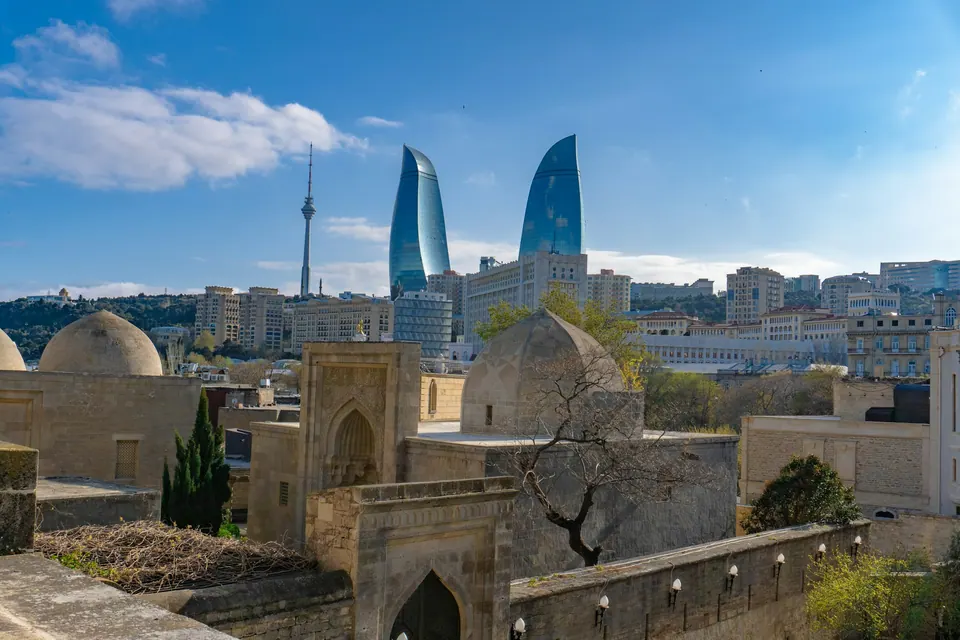
You know you want to visit Azerbaijan; the harder question is when. The answer depends on the kind of trip: the lowlands are hot in summer, the mountains are much cooler in the same month, and the snow that skiers come for is rare in Baku. The short answer: for Baku and its sights, the Azerbaijan Tourism Board recommends May and describes autumn as a perfect time for wandering around the city1; to escape the summer heat, head for the mountains, because temperatures fall as you climb, while in parts of the lowlands and on the coast the temperature can exceed 42 °C on some summer days2; the ski season runs from December to the end of March1; and Novruz falls in March, with its public-holiday dates set each year3,4.
Temperatures from the plains to the mountains
The National Hydrometeorological Service (Milli Hidrometeorologiya Xidməti) divides the country’s climate into 8 types. The hottest is the semi-desert and dry-steppe climate of the central Aran districts and of the Caspian coastal zone from the mouth of the Samur River to Gizilagaj (Qızılağac) Bay: winters are mostly warm, summers are scorching, and on some days the air temperature rises above 42 °C2.
The higher you go, the cooler it gets. The Service states that in January, the coldest month, the monthly mean does not fall below 0 °C on the plains and in the foothills, and reaches 3-4 °C on the Absheron (Abşeron) Peninsula and the coastal areas to its south, while at 2,000 metres it drops to between -5 and -6 °C2.
| Area | Period | Mean, according to the Service2 |
|---|---|---|
| Kur-Araz lowland | July | mostly 26-27 °C |
| Other plains and foothills | July | not below 24 °C |
| Absheron and the coast to its south | January | 3-4 °C |
| Mountains at 2,000 metres | January | -5 to -6 °C |
| Mountains at 2,000 metres | month not stated | about 14-16 °C |
These are general averages from an undated page that does not state the years of observation, so they are not a forecast for your travel dates. Check the forecast a few days before you leave, especially if you are heading into the mountains.
Baku and the sights: spring and autumn, with summer for the sea
The Tourism Board describes May, between spring and summer, as an ideal time to explore historical monuments and natural sights, and suggests the Goygol (Göygöl) and Maralgol (Maralgöl) lakes near Ganja and the towns of Sheki and Gabala (Qəbələ)1. It describes autumn as cooler but still sunny, perfect for wandering around Baku, and good for long mountain walks and national parks1. For that reason we suggest these two seasons for anyone planning to spend long hours walking in the city, including families with young children or older relatives.
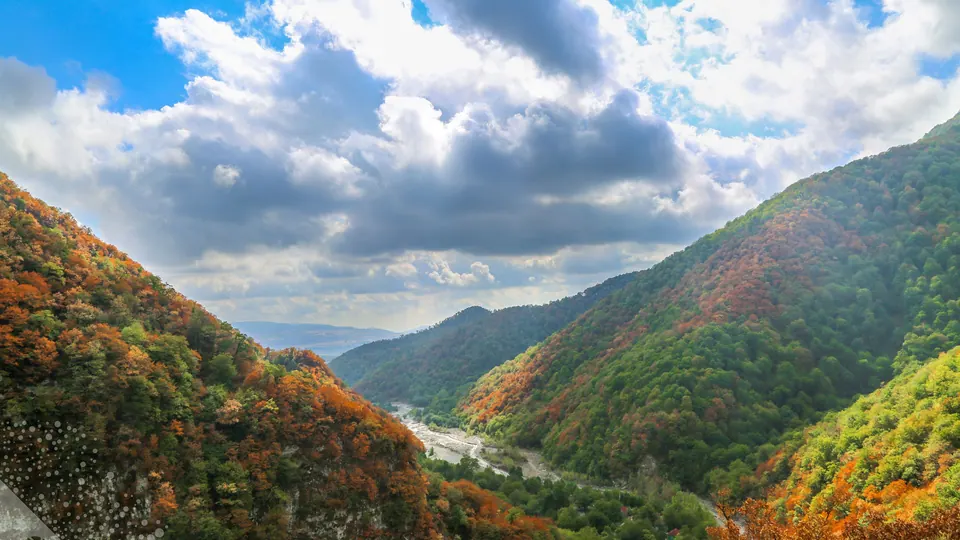
Autumn is also grape-harvest season, and the Tourism Board suggests visiting vineyards in Gabala, Ismayilli (İsmayıllı), Shamakhi (Şamaxı) and Goygol, and describes November as a good month to take in the colours of the Caucasus1.
In summer, the Absheron Peninsula is lined with long beaches, according to the Tourism Board1. But plan for the heat: early June to late August is the hottest time1, and relative humidity is highest on the coast, with an annual mean of 75-80%2.
In winter, snow is rare in Baku, but festive decorations fill Fountains Square from the beginning of December1. The Service notes that the strongest winds blow in Baku and on the Absheron Peninsula, that the Khazri (Xəzri) wind blows mainly in the cold months, and that the Gilavar blows mostly in the warm months2. Pack a windproof jacket whatever the season.
Novruz and the two Eid holidays
The Tourism Board describes Novruz as a festival of spring and the coming of the new year, and says that visitors are welcome not just to watch the celebrations but to take part1.

The Labour Code (Əmək Məcəlləsi) sets the Novruz holiday at 5 days, Eid al-Adha (Qurban bayramı) at 2 days and Eid al-Fitr (Ramazan bayramı) at 2 days, and these days are not working days3. The Code does not fix their dates: the relevant executive authority sets them for the following year and announces them by the end of December3. For 2026, for example, the Cabinet of Ministers set Novruz for 20 to 24 March, Eid al-Fitr for 20 and 21 March and Eid al-Adha for 27 and 28 May4. We found no decision on the 2027 dates when we reviewed this article on 1 October 2026.
What this means for your plans:
- If you want to see Novruz: plan for March, and fix your dates once the decision for your year is published.
- If you travel over Eid al-Fitr or Eid al-Adha: both are public holidays in Azerbaijan too3.
- If you have business with a government office: these holidays are not working days3, so do not schedule appointments on them.
Escaping the summer heat in the mountains
If you are coming from the Gulf to escape the summer, the mountains are the logical choice: temperatures fall as you climb, as the table above shows2. Pack warmer clothes than you would need in Baku.
- Shahdag, in Gusar (Qusar): the resort is 29 kilometres from the town of Gusar, and its slopes run from 1,435 to 2,552 metres above sea level, according to its official website5. The Tourism Board notes that both the Shahdag and Tufandag resorts are also open in summer for activities such as hiking, cycling and paragliding, and lists winter and summer as Shahdag’s peak seasons6.
- Tufandag, in Gabala: the resort is 4 kilometres from Gabala town centre, and the Tourism Board suggests hiking, cycling, paragliding and jeep tours there in summer7.
- The mountain villages of Guba (Quba): the Tourism Board describes guided hiking tours through villages such as Griz, Galakhudat, Laza and Khinalig (Xınalıq) near Shahdag National Park, and lists spring, summer and autumn as their peak seasons8.
If your mountain trip is in spring, note that most hail falls between April and June, with the first peak mostly in May, according to the Service2. Most precipitation also falls in the warm period from April to October, although the summer months themselves are dry2.
Snow and skiing: December to March
Snow cover on the plains does not last, and in some years there is none, according to the Service; from 1,200-1,400 metres upwards the depth of snow cover increases sharply, and the mid-mountains have 80-120 days with snow cover2. That is why snow lovers head for the mountains, not Baku.
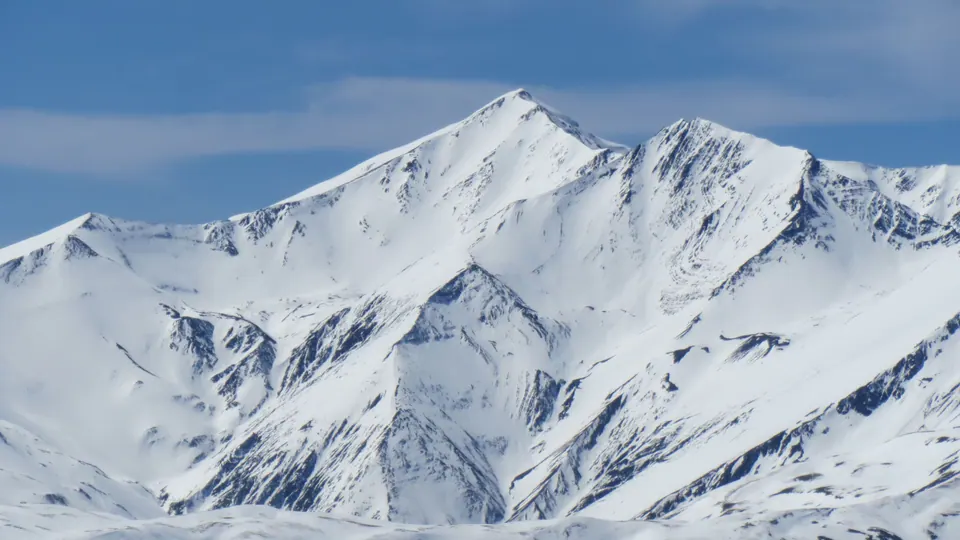
The Tourism Board says the Shahdag and Tufandag resorts welcome snow-sports enthusiasts from December to the end of March1. Shahdag, according to its website, has 37 slopes for every level, from beginners to experts5. But we found no announced opening date for the 2026-2027 season on the resort’s website when we checked on 1 October 2026, so confirm the season dates before you book.
Which season suits your trip?
| Type of trip | Period, as the sources give it | What to watch for |
|---|---|---|
| Baku and historical sights | May and autumn1 | strong winds in Baku and Absheron2 |
| Caspian beach | early June to late August1 | heat and coastal humidity2 |
| Mountain hiking | spring to autumn in Guba’s villages8 | hail between April and June2 |
| Skiing | December to the end of March1 | the resort’s season dates |
| Novruz | March, with dates set each year3,4 | the decision for your year |
When this calendar may not suit you
- You do not cope well with heat and want to spend the whole trip in Baku: avoid the peak of summer from early June to late August1, or combine Baku with a few days in the mountains.
- Your dates are tied to a particular holiday: the dates of Novruz and the two Eid holidays are set each year3, so do not base your booking on a previous year’s dates.
- You need precise weather for a specific resort or village: the figures here are regional averages, so rely on the forecast before you travel.
Frequently asked questions
Which month suits a family visit to Baku?
No official source names a month for family visits specifically, but the Tourism Board describes May as an ideal time to explore the sights and autumn as perfect for wandering around Baku1. If your family does not cope well with heat, avoid early June to late August1.
Is it cooler in Azerbaijan’s mountains in summer?
Yes. The National Hydrometeorological Service states that temperature falls as altitude rises, and puts the mean monthly temperature in the mountains at 2,000 metres at about 14-16 °C, without naming the month, compared with a July mean of mostly 26-27 °C in the Kur-Araz lowland2.
Sources
Source 1: Azerbaijan Tourism BoardAzerbaijan through the seasons↩
Source details
- Source date
- Undated (no date shown)
- Accessed
- 1 October 2026
Source 2: National Hydrometeorological ServiceWeather and climate conditions of the country↩
Source details
- Original title
- Ölkənin hava-iqlim şəraiti
- Source date
- Undated (no date shown)
- Accessed
- 1 October 2026
Source 3: Ministry of Justice (e-qanun.az)Labour Code, Article 105: holidays↩
Source details
- Original title
- Azərbaycan Respublikasının Əmək Məcəlləsi
- Source date
- Approved by Law No. 618-IQ of 1 February 1999; consolidated text as published on e-qanun.az
- Accessed
- 1 October 2026
Source 4: Cabinet of MinistersNovruz, Eid al-Fitr and Eid al-Adha holiday dates for 2026↩
Source details
- Original title
- 2026-cı il üçün Novruz, Ramazan və Qurban bayramları günlərinin müəyyən edilməsi haqqında
- Source date
- 2 December 2025
- Accessed
- 1 October 2026
Source 5: Shahdag Mountain ResortResort overview↩
Source details
- Original title
- Şahdağ
- Source date
- Undated (no date shown)
- Accessed
- 1 October 2026
Source 6: Azerbaijan Tourism BoardWinter and summer at Shahdag↩
Source details
- Original title
- Enjoy winter and summer adventures at Shahdag
- Source date
- Undated (no date shown)
- Accessed
- 1 October 2026
Source 7: Azerbaijan Tourism BoardSkiing at Tufandag↩
Source details
- Original title
- Skiing at Tufandag Mountain Resort
- Source date
- Undated (no date shown)
- Accessed
- 1 October 2026
Source 8: Azerbaijan Tourism BoardHiking between Guba’s mountain villages↩
Source details
- Source date
- Undated (no date shown)
- Accessed
- 1 October 2026
Related articles
More in Visiting Azerbaijan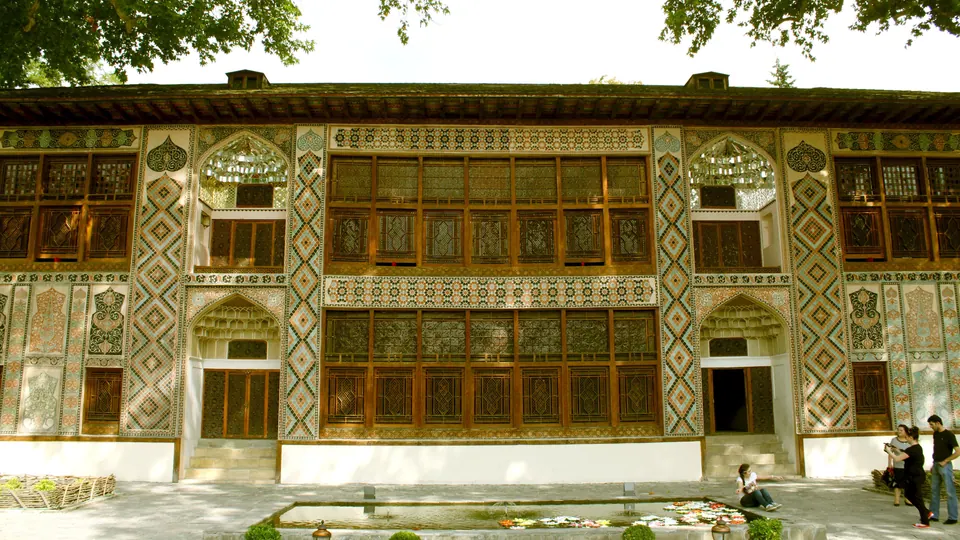
Sheki: Khan’s Palace and trip planning
What to see in Sheki, whether to go for a day or stay the night, how to get there from Baku, and what to confirm before you travel.
Azerbaijan e-visa: who needs one
Who can visit Azerbaijan visa-free, who needs an e-visa, how to apply on the official portal, and the limits to plan your trip around.
Ateshgah and Yanar Dag, Baku’s fire sites
What the Ateshgah temple and the Yanar Dag hillside are, why they burn, and how to combine them in half a day with one ticket and due respect for their heritage.