Visiting AzerbaijanDestination
Azerbaijani carpets: heritage and the Baku Carpet Museum
What makes the Azerbaijani carpet a living heritage, what the Carpet Museum in Baku offers, and what to check before you buy a carpet and take it home.
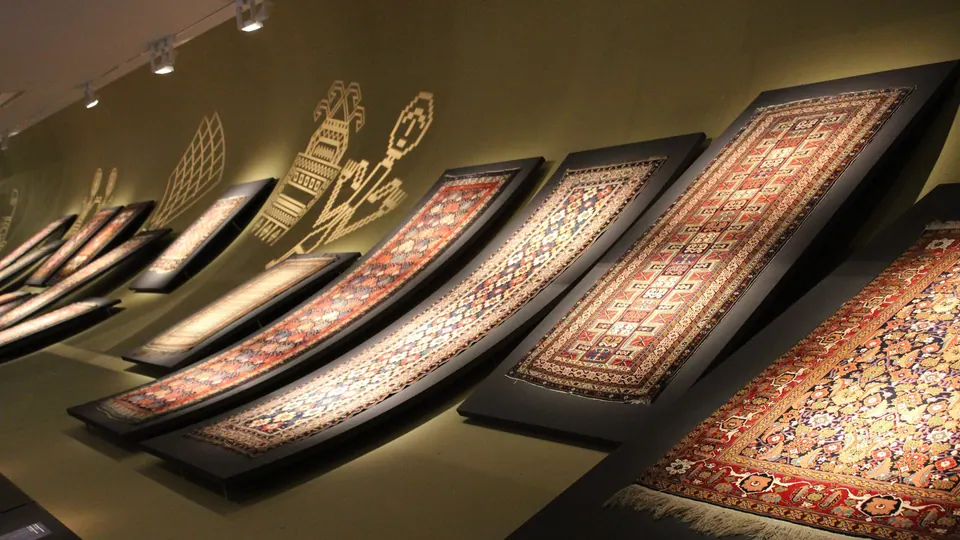
A carpet catches your eye in a Baku shop, and the questions follow: is it really handwoven, which region is it from, and may you take it out of the country? This guide helps you decide what to see, what to ask the seller, and whether an old piece is worth the paperwork. The short answer: UNESCO inscribed the “traditional art of Azerbaijani carpet weaving” on the Representative List of the Intangible Cultural Heritage of Humanity in 20101; Baku has a specialised carpet museum, founded in 19672; and taking a carpet home depends on its age and status: “cultural property” leaves the country only with a protection certificate, while the Law on Culture does not treat mass-produced pieces, or pieces made from 1960 onwards, as cultural property3.
Contact us on WhatsApp
Message us on WhatsAppWhat did UNESCO inscribe in 2010?
UNESCO inscribed the craft, not a particular carpet. Its text describes the Azerbaijani carpet as a traditional handmade textile with a dense texture and a pile or pile-less surface1, and carpet making as a family tradition passed on orally and through practice: men shear the sheep, women spin and dye the yarn, and the women of the extended family weave in winter, with girls learning from their mothers and grandmothers1. Special carpets are woven for weddings, births, mourning rituals and prayer1. That is why it is called living heritage: it is a practice carried on in homes, not only objects in display cases.
Weaving regions: where is the carpet from?
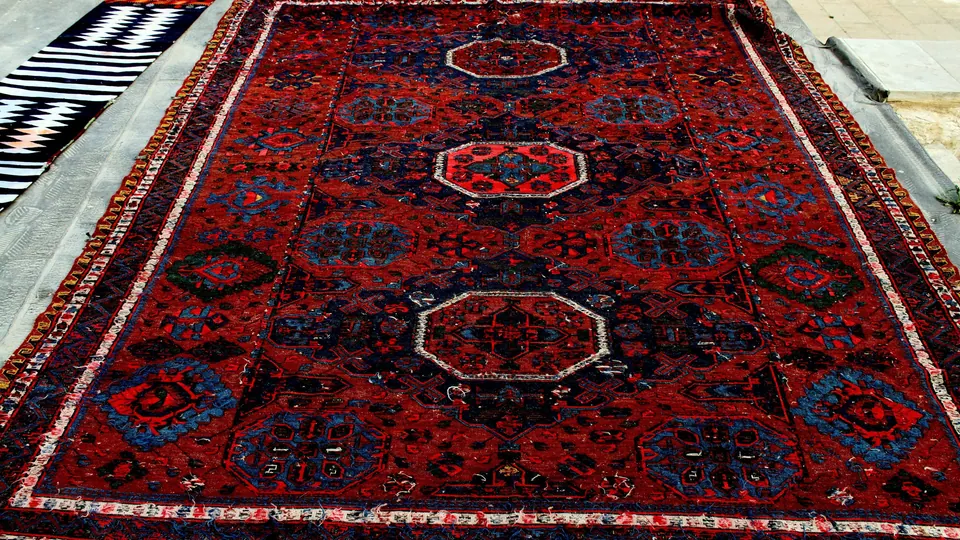
The nomination file submitted by Azerbaijan names seven carpet-producing regions: Baku, Guba (Quba), Shirvan (Şirvan), Ganja (Gəncə), Gazakh (Qazax), Karabakh (Qarabağ) and Nakhchivan (Naxçıvan), each with its own raw materials, techniques, pattern meanings and uses7. This is the nominating State’s account; books and shops may divide the weaving schools differently, so ask the seller which region a design is attributed to, and why.
The Azerbaijan National Carpet Museum
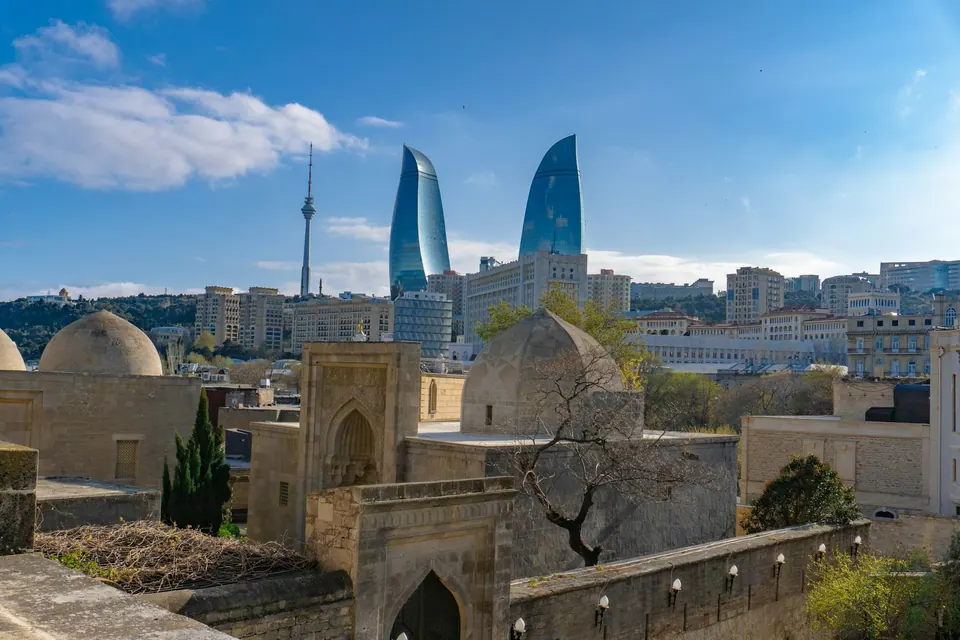
The carpet museum was founded in Baku in 1967 on the initiative of Latif Karimov (Lətif Kərimov), a scholar and carpet designer, and the museum describes it as the first museum of its kind in the world2; the UNESCO nomination file says the same7. It presented its first permanent exhibition on 26 April 1972 in the Juma Mosque, a 19th-century monument inside the Old City, Icherisheher (İçərişəhər)2.
Today the museum occupies a building in the National Seaside Park4, opened on 26 August 20148. The description on the ticket seller’s page says that it holds more than 10,000 objects in seven collections, most of them from the 17th to the 20th century4.
Where the hours and prices come from. On 2 October 2026 the museum’s own website published no hours or prices: its “Plan your visit” page said it was under construction5, and its “Get Tickets” button led to the ticket seller iTicket.AZ9. The figures below are the museum’s hours and admission prices as that page showed them. It carries no update date, so confirm with the museum before you go: 28 Mikayil Huseynov Avenue, Baku; telephone (+994) 12-497-20-169.
What this table covers: individual admission prices and exhibition hours as shown on the ticket seller’s page for the museum (iTicket.AZ) on 2 October 2026. It does not cover group rates, guided tours, other paid services or the free-admission categories.
| Item | Price or hours |
|---|---|
| Admission, foreign visitor | 10 manat4 |
| Admission, local visitor | 7 manat4 |
| Admission, schoolchildren and students | 3 manat4 |
| Exhibition hours | Tuesday to Friday 10:00 to 19:00; Saturday and Sunday 11:00 to 20:00; closed on Mondays4 |
The page shows the ticket office closing one hour before the exhibition, says that tickets cannot be refunded or exchanged, and lists categories admitted free on presenting a document4. These are admission prices for the museum, not ALVERA GLOBAL fees.
Before you buy: what to check
The nomination file calls mass production, with poor materials and simplified technology that distorts the ornaments, a real threat to this heritage7. Not everything sold as an “Azerbaijani carpet” is the handwoven textile UNESCO describes. These are our practical suggestions, not official rules:
- Turn the carpet over. On a handwoven piece the knots on the back are not perfectly identical; on a machine-made one the rows look completely regular. If you skip this check, you may pay a handmade price for a machine-made piece.
- Ask for the details in writing. The maker or workshop, the place and date of making, the yarn and dyes, and a receipt. The law makes the maker’s details and the date the basis for exporting recent pieces.
- Ask about age directly. If a piece is called “old” or “antique”, export becomes part of the decision.
Contact us on WhatsApp
Message us on WhatsApp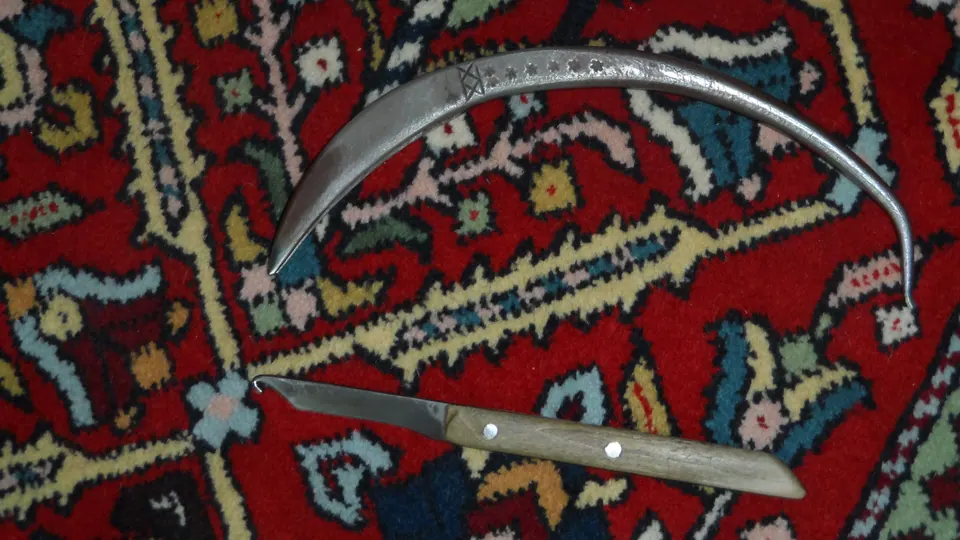
Taking a carpet out of Azerbaijan: what the law says
The Law on Culture (Mədəniyyət haqqında Qanun), in the consolidated text marked as in force when we read it on 2 October 2026, lists “carpets and carpet products” among the works of applied art that count as cultural property, alongside items of museum significance dating from before 19603. It excludes cultural products, souvenirs included, that are mass-produced in series, were made from 1960 onwards or, whatever their date, were not entered in the list of protected cultural property after the official expert examination3.
| The carpet | What the text says | What to do |
|---|---|---|
| Mass-produced, or made from 1960 onwards | Not cultural property, and the certificate procedure does not apply; export rests on the serial number, producer or author details or date of making marked on it, or on a certificate of an expert examination result3,6 | Carry written proof of maker and date, with the receipt |
| Older than 1960, or of doubtful age | The official expert examination decides whether it is protected cultural property3 | Ask the Ministry of Culture well before you travel |
| Cultural property that may be exported | Exported on a protection certificate (mühafizə şəhadətnaməsi); export without one is prohibited3,6 | Apply to the ministry named in the Rule (see below) |
| Entered in the State List of national cultural property | Export is prohibited, except for exhibitions, tours, restoration, presentations or international cultural events3 | Do not buy it intending to take it abroad |
How is the certificate requested? A Rule approved by Cabinet of Ministers Decision No. 294 of 29 August 2014 sets the procedure; its consolidated text lists a latest amendment of 22 May 20246. The owner or an authorised representative applies to the ministry named in the Rule, attaching a list in three copies if there are more than two items, three photographs of each item (at least 8 by 12 centimetres), documents establishing its value, and a copy of an identity document6. The ministry sets a time for presenting the item for examination, which must be completed within 30 days of presentation and in which museums, other specialist bodies or contracted experts take part6. The certificate is the basis for export through customs6. A state duty set by the Law on State Duty is charged for it3,6; we did not read the amount, so we give no figure.
What we could not confirm. The consolidated text of the Rule names the “Ministry of Culture and Tourism” throughout6. On 2 October 2026 the website of the Ministry of Culture listed eight e-services, none of them for this certificate10, and the State Customs Committee’s leaflet for travellers says only that the certificate is issued by “the relevant executive authority”11. So we found no current official page naming the office a visitor should approach. Before you buy an old carpet, ask the Ministry of Culture and the State Customs Committee about your case.
Mistakes to avoid
- Buying an old carpet on the strength of the shop receipt alone. Exporting cultural property without a protection certificate is prohibited6, and a receipt is not a certificate. The piece may not be allowed to leave with you.
- Leaving the paperwork to departure day. The examination alone may take up to 30 days from presentation6, so a piece that needs a certificate does not suit a short visit (our inference, not an official statement).
- Going to the museum on a Monday. The ticket seller’s page shows it closed that day, and says tickets cannot be refunded4.
When this may not suit you
- Your visit is short and you want an old piece. The examination and certificate may not be ready before you leave; settle for a documented recent piece, or for the museum visit.
- You want certainty about authenticity or value. This guide assesses no piece; valuation is a specialist’s work, and the export decision rests with the competent authority.
Where ALVERA GLOBAL fits
ALVERA GLOBAL coordinates business and leisure visits in Azerbaijan: our team in Baku can coordinate the visit arrangements with independent local providers. We are not a government body, a museum, a law firm or valuers; we issue no certificates and cannot promise that any authority will approve the export of a piece. Any ALVERA GLOBAL fee is agreed in writing before work starts, separately from official fees and third-party costs.
Frequently asked questions
Can I take home a new handmade carpet I bought in Baku?
The Law on Culture does not treat anything made from 1960 onwards as cultural property, and bases its export on the producer or author details and date of making marked on it, or on a certificate of an expert examination result3. Get those details in writing from the seller, and ask the State Customs Committee if in doubt.
How much is the Carpet Museum ticket, and when is it open?
On 2 October 2026 the ticket seller’s page for the museum (iTicket.AZ) showed 10 manat for foreign visitors, with the exhibition open Tuesday to Friday from 10:00 to 19:00, Saturday and Sunday from 11:00 to 20:00, and closed on Mondays4. The museum’s own website showed neither that day, so check before you go.
Does the Carpet Museum issue the certificate for taking a carpet out of the country?
We found no current official source that says so. The Cabinet of Ministers’ Rule has the application made to, and the export decision taken by, the ministry it names (the “Ministry of Culture and Tourism”), and says that museums and other specialist bodies take part in the examination6. Ask the Ministry of Culture which office receives applications today.
Sources
Source 1: UNESCOTraditional art of Azerbaijani carpet weaving↩
Source details
- Original title
- Traditional art of Azerbaijani carpet weaving in the Republic of Azerbaijan
- Source date
- Inscribed in 2010 (5.COM); page undated
- Accessed
- 2 October 2026
Source 2: Azerbaijan National Carpet MuseumLatif Karimov (Azerbaijani text)↩
Source details
- Original title
- Latif Karimov
- Source date
- Undated (no date shown); site footer ©2026
- Accessed
- 2 October 2026
Source 3: Ministry of Justice (e-qanun.az)Law on Culture, consolidated text↩
Source details
- Original title
- Mədəniyyət haqqında Azərbaycan Respublikasının Qanunu
- Source date
- Adopted 21 December 2012 (No. 506-IVQ); latest amendment listed: Law No. 384-VIIQD of 10 April 2026; marked in force
- Accessed
- 2 October 2026
Source 4: Carpet Museum ticketing page (iTicket.AZ)Hours, prices and museum description↩
Source details
- Original title
- Azerbaijan National Carpet Museum
- Source date
- Undated (no date shown); sessions listed for 2 to 31 October 2026
- Accessed
- 2 October 2026
Source 5: Azerbaijan National Carpet MuseumPlan your visit↩
Source details
- Original title
- Plan Your Visit
- Source date
- Undated (no date shown); page under construction when read
- Accessed
- 2 October 2026
Source 6: Ministry of Justice (e-qanun.az)Cabinet Decision No. 294: import, export and transit of cultural property↩
Source details
- Original title
- “Mədəni sərvətlərin idxalı, ixracı və Azərbaycan Respublikasının ərazisindən tranzitlə keçirilməsi Qaydası”nın təsdiq edilməsi haqqında Azərbaycan Respublikası Nazirlər Kabinetinin Qərarı
- Source date
- Adopted 29 August 2014 (No. 294); latest amendment listed: Decision No. 275 of 22 May 2024; marked in force
- Accessed
- 2 October 2026
Source 7: UNESCONomination file No. 00389↩
Source details
- Original title
- Nomination file No. 00389 for inscription on the Representative List in 2010: The traditional art of Azerbaijani carpet weaving in the Republic of Azerbaijan
- Source date
- Nomination file for the 2010 cycle
- Accessed
- 2 October 2026
Source 8: President of AzerbaijanOpening of the new Carpet Museum building↩
Source details
- Original title
- Ilham Aliyev attended the opening of the new building of the Azerbaijani Carpet Museum
- Source date
- 26 August 2014
- Accessed
- 2 October 2026
Source 9: Azerbaijan National Carpet MuseumHome page and contacts↩
Source details
- Original title
- Azerbaijan National Carpet Museum
- Source date
- Undated (no date shown); site footer ©2026
- Accessed
- 2 October 2026
Source 10: Ministry of CultureE-services (Azerbaijani)↩
Source details
- Original title
- e-Xidmətlər
- Source date
- Undated (no date shown)
- Accessed
- 2 October 2026
Source 11: State Customs CommitteeExportation of cultural goods (leaflet)↩
Source details
- Original title
- Exportation of cultural goods from the territory of the country
- Source date
- Undated (no date shown)
- Accessed
- 2 October 2026
Related tour packages
Three nights in a named hotel in Baku, with airport reception and departure. The package has no tours, so your days stay open for what you want to see.
Baku Escape · Alba
Baku
289 USDTotal price for two people · For arrival in November and December 2026
More details — Baku Escape · AlbaBaku Escape · Iris
Baku
341 USDTotal price for two people · For arrival in November and December 2026
More details — Baku Escape · IrisBaku Escape · Pullman
Baku
408 USDTotal price for two people · For arrival in November and December 2026
More details — Baku Escape · Pullman
Related articles
More in Visiting Azerbaijan
Baku’s Old City: a visitor’s plan
What to see in Baku’s walled Old City, in what order, which museums need a ticket, and how to plan a well-paced visit.
Sheki: Khan’s Palace and trip planning
What to see in Sheki, whether to go for a day or stay the night, how to get there from Baku, and what to confirm before you travel.
Ateshgah and Yanar Dag, Baku’s fire sites
What the Ateshgah temple and the Yanar Dag hillside are, why they burn, and how to combine them in half a day with one ticket and due respect for their heritage.