
PropertyGuide
Letting your Baku apartment from abroad: lease, tax and oversight
A long-term let from abroad needs a written lease, a clear view of the tax on the rent, and a way to monitor the property and track rent payments from a distance.
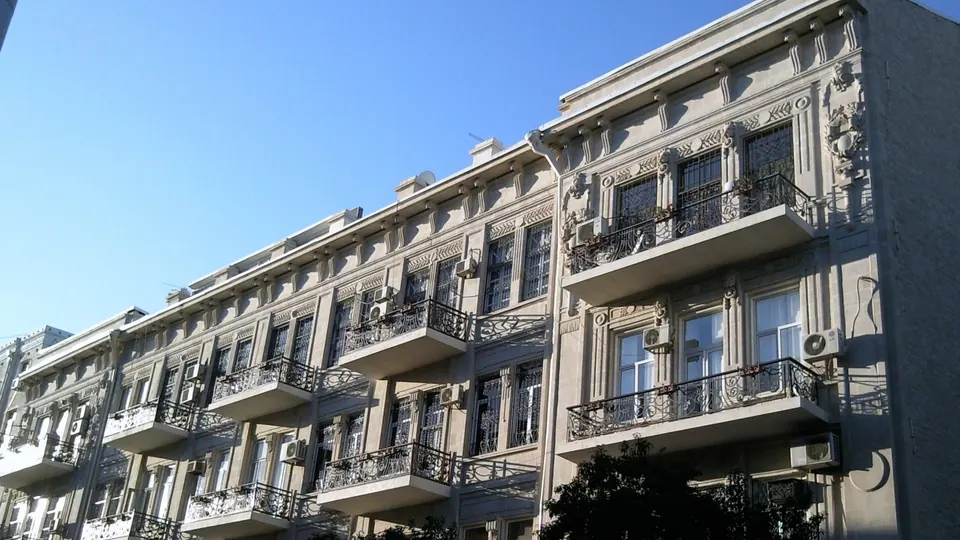
If you own an apartment in Baku but live abroad, the real challenge in letting it is managing everything from a distance, from finding and vetting a tenant to filing tax returns and tracking the rent. The short answer: a long-term let from abroad is workable if three things are in place: a written lease, a clear view of the tax on the rent (10% since 1 January 2026 for a home let by an individual to an individual1), and a practical way to monitor the property and track rent payments from a distance. This guide covers each of them and flags where a tax adviser, notary or lawyer must confirm the position.
Start with a written lease
As the Constitutional Court summarised in a 2025 ruling, parties may as a rule conclude a contract in any form they choose (oral, simple written or notarised), while the law prescribes a form for some transactions3. Even so, a written lease is the sensible basis for an owner who lives abroad. It should set out the rent, the due date and the account for payment; the term, renewal and termination; who pays which utility bills; the apartment’s condition and contents at handover, with an inventory and photos; and the inspection routine.
Longer leases need one more check. The same ruling, of 11 June 2025, states that transactions creating real rights in immovable property must be notarised and registered3, and the Law on the State Register of Immovable Property provides for the registration of a lease of more than 11 months2. Whether either rule applies to your residential lease is a legal question, so ask a notary or a licensed lawyer in Azerbaijan before signing a lease of more than 11 months.
Tax on the rent
The rate for a home let to an individual
The 2026 edition of the State Tax Service’s guidance on the tax amendments explains that, from 1 January 2026, Article 124.1 of the Tax Code taxes income from letting residential premises owned by individuals to individuals at 10%, excluding hotel and hotel-type accommodation. It describes this as a reduction from 14% for residential premises not used for business purposes1. One of its worked examples: an apartment let for 500 manat a month to an individual who is not registered for tax results in annual tax of 600 manat (500 × 12 × 10%)1.
Who pays and files
That depends on who the tenant is.
- An individual who is not registered for tax: according to the same guidance, the landlord (or a tax agent the landlord appoints) pays the tax and, under Articles 33 and 149 of the Tax Code, registers for tax and files a return1. The guidance does not give the filing deadline or explain how to register from abroad; confirm both with the State Tax Service or a licensed tax adviser.
- A company or an individual entrepreneur: the guidance’s example treats a different kind of property (“obyekt”) leased to an individual entrepreneur separately from an apartment let to an individual, and does not say what applies when a business rents a residential apartment1. Ask a tax adviser before agreeing a lease with a business tenant.
If you live abroad
None of the official pages we read says whether the 2026 rule for residential premises, or a different rule, applies to a landlord who lives outside Azerbaijan, and we found no official source that confirms either, so do not assume either way. A licensed tax adviser should confirm the rate for your case, how you register and file from abroad, and whether a tax treaty with your country of residence changes anything.
Diagram
Tax on the rent: who pays and files?
- Home owned by an individual, let to an individual not registered for tax: 10% since 1 January 2026; the landlord (or their tax agent) pays, registers and files
- Tax Service example: 500 manat a month = 600 manat tax a year
- Tenant is a company or an individual entrepreneur: the guidance does not settle a residential let; ask a tax adviser
- You live abroad: no official source we read settles your case; ask a licensed tax adviser
Foreign tenants and place-of-stay registration
If your tenant is a foreign national, the State Migration Service’s place-of-stay registration page (last updated 29 December 2025) says that a foreigner staying temporarily for more than 15 days must be registered at the place of stay, with the application due within 15 days of arriving in Azerbaijan; for citizens of Kazakhstan, the page gives 30 days for both the threshold and the deadline. The application can be made online, by email or in person, and missing the deadline is grounds for administrative liability4. Under Article 21 of the Migration Code, the receiving party, which includes the owner of the home where the foreigner stays, submits the registration application5, and the foreigner may also apply themselves under the same procedure5. Agree in the lease who will file, and confirm the current procedure with the Service. Our guide covers the steps: Place-of-stay registration in Azerbaijan: who, when and how.

Keeping oversight from a distance
The harder part comes after signing: late rent, unpaid bills, an unreported leak. A simple arrangement helps:
- Rent paid directly to you: the lease should require payment into a bank account in your own name, not to an intermediary.
- A documented handover: photos, an inventory and meter readings at the start and end of the tenancy.
- An agreed inspection routine written into the lease, with advance notice to the tenant.
- Monthly reconciliation: compare what reached your account with what was due, and track the utility bills.
- A tidy tax file: keep the lease and payment records, and agree with your adviser who files what, and when.
How ALVERA GLOBAL works within this framework
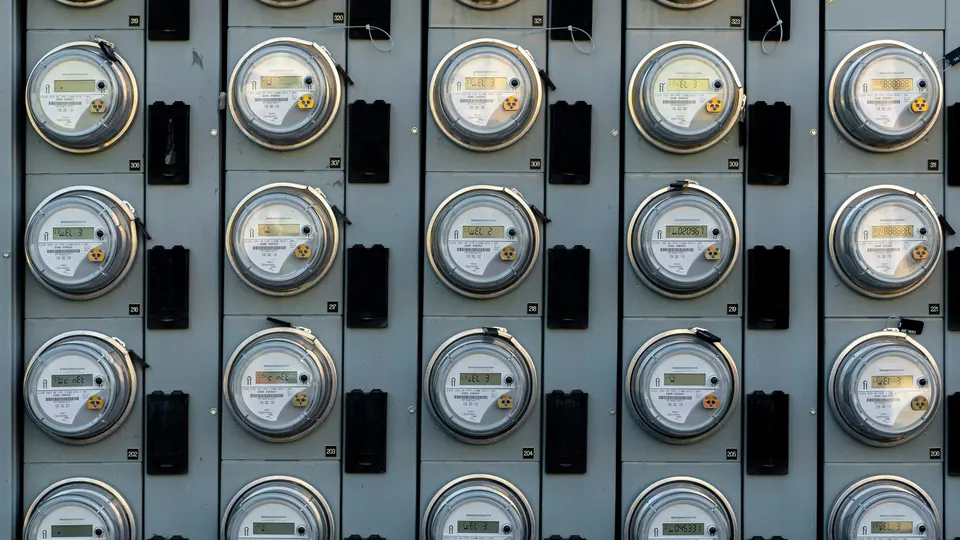
This describes ALVERA GLOBAL’s own operating model, not a legal requirement or general market practice. The tenant pays rent directly into the owner’s own account; ALVERA GLOBAL does not receive or hold rent or other client money. We monitor the apartment’s condition, check that payments have arrived as the lease requires, reconcile them and report to you. Tax filing is coordinated with a licensed tax adviser, and you pay any tax to the state directly. Our fee is separate from third-party costs such as notary fees, repairs or the tax adviser’s fee.
Diagram
ALVERA GLOBAL’s direct-payment model
- Tenant pays rent directly into the owner’s own account
- ALVERA GLOBAL monitors the apartment’s condition and checks that payments have arrived
- Monthly reconciliation and report to the owner
- ALVERA GLOBAL does not receive or hold rent; tax filing is coordinated with a licensed adviser and the owner pays the tax directly
When this may not suit you
- Short-term or daily letting (by the night or week) is outside ALVERA GLOBAL’s current scope and is not covered by this guide.
- The apartment is not yet registered in your name, or ownership is disputed. Sort that out first; see Can foreigners buy property in Azerbaijan?
- Your tenant will be a company or an individual entrepreneur1, or you live abroad, and you have not yet taken tax advice.
- You are not ready for tax filing and regular follow-up. Keeping the apartment for your own use may suit you better.
Frequently asked questions
What is the tax rate on rent from a residential apartment let to an individual?
Since 1 January 2026, according to the State Tax Service, income from letting residential premises owned by individuals to individuals is taxed at 10% (previously 14%), excluding hotel and hotel-type accommodation1.
Who files if the tenant is an individual who is not registered for tax?
According to the 2026 edition of the State Tax Service’s guidance, the landlord, or a tax agent the landlord appoints, pays the tax, registers for tax and files a return1.
Does ALVERA GLOBAL collect the rent for me?
No. The tenant pays rent directly into the owner’s own account. ALVERA GLOBAL checks and reconciles the payments and reports to the owner; it does not receive or hold rent.
This guide is general information. For your own lease and tax position, rely on a licensed tax adviser, notary or lawyer.
Sources
Source 1: State Tax Service under the Ministry of Economy of the Republic of AzerbaijanChanges to the Tax Code (approved by the Law of the Republic of Azerbaijan of 9 December 2025)↩
Source details
- Original title
- Vergi Məcəlləsində dəyişikliklər (Azərbaycan Respublikasının 9 dekabr 2025-ci il tarixli Qanunu ilə təsdiq edilib)
- Source date
- 2026 edition (exact publication date not stated); explains the amendments made by Law No. 297-VIIQD of 9 December 2025
- Accessed
- 30 September 2026
Source 2: Ministry of Justice of the Republic of Azerbaijan (e-qanun.az, Unified Electronic Database of Legal Acts)Law of the Republic of Azerbaijan on the State Register of Immovable Property↩
Source details
- Original title
- Daşınmaz əmlakın dövlət reyestri haqqında Azərbaycan Respublikasının Qanunu
- Source date
- Adopted 29 June 2004; consolidated text as shown (latest amendment 20 November 2020)
- Accessed
- 30 September 2026
Source 3: Constitutional Court of the Republic of AzerbaijanRuling (Qərardad) on the request for a joint interpretation of Articles 144, 146, 329, 675 and 700 of the Civil Code of the Republic of Azerbaijan↩
Source details
- Original title
- Azərbaycan Respublikası Mülki Məcəlləsinin 144, 146, 329, 675 və 700-cü maddələrinin əlaqəli şəkildə şərh edilməsi ilə bağlı müraciətinə dair QƏRARDAD
- Source date
- 11 June 2025
- Accessed
- 30 September 2026
Source 4: State Migration Service of the Republic of AzerbaijanRegistration upon place of stay↩
Source details
- Source date
- Last updated 29 December 2025
- Accessed
- 30 September 2026
Source 5: Ministry of Justice of the Republic of Azerbaijan (e-qanun.az, Unified Electronic Database of Legal Acts)Migration Code of the Republic of Azerbaijan↩
Source details
- Original title
- Azərbaycan Respublikasının Miqrasiya Məcəlləsi
- Source date
- Adopted 2 July 2013 (Law No. 713-IVQ); consolidated text as published on e-qanun.az
- Accessed
- 30 September 2026
Related articles
More in Property
Can foreigners buy property in Azerbaijan?
Land is lease-only for foreigners; buildings are a separate question. How title passes, what proves it, and what ownership means for residence.

Place-of-stay registration: who, when and how
Who registers a foreigner’s place of stay in Azerbaijan, the 15-day deadline (30 days for citizens of Kazakhstan), filing online, by email or at an ASAN centre, and what changes if you move.